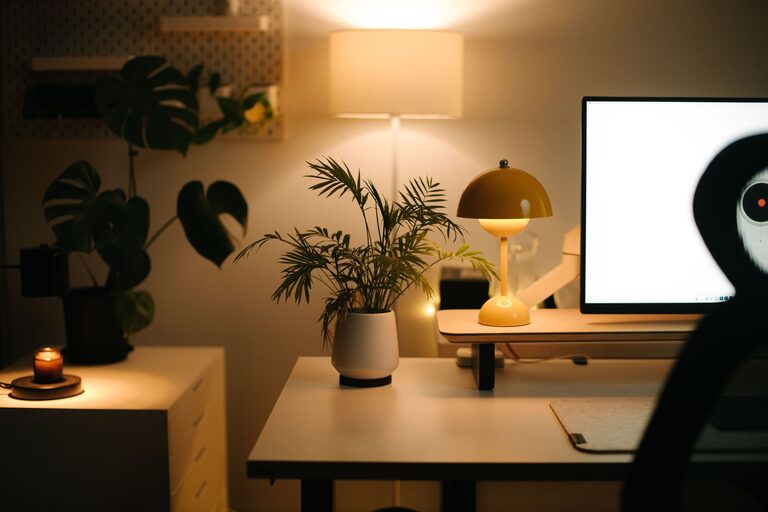
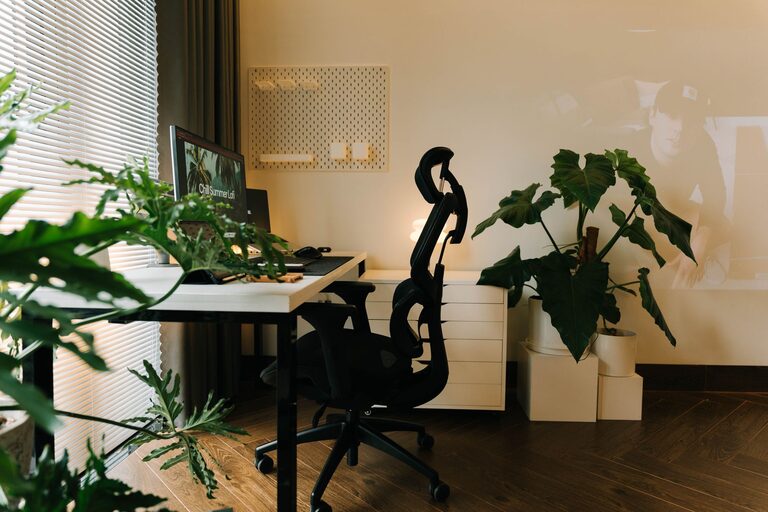
Creating a relaxing home office environment is essential for maintaining focus, reducing stress, and improving overall productivity. Since many people now work from home, having a dedicated space that feels comfortable and peaceful can make a big difference in your daily routine. In this post, we’ll share practical tips on how to design and organize your home office to create a calming atmosphere.
1. Choose the Right Location
Consider Natural Light and Quietness
Selecting the right spot in your home is the first step to a relaxing office. Ideally, pick a quiet area with minimal distractions. A room with a window that lets in natural light is a bonus, as sunlight can boost mood and energy levels.
Avoid High-Traffic Areas
Try to avoid placing your desk near busy parts of your home like the kitchen or living room, where noise and movement can interrupt your workflow.
2. Invest in Comfortable Furniture
Ergonomic Chair and Desk
Comfort is key when you spend hours working at your desk. An ergonomic chair with good lumbar support helps prevent back pain and keeps your posture healthy. Pair it with a desk at the right height to avoid strain on your wrists and shoulders.
Add a Footrest or Adjustable Desk
If possible, use a footrest to keep your feet comfortable and an adjustable desk so you can alternate between sitting and standing during the day.
3. Keep Your Space Organized
Declutter Regularly
A clutter-free desk promotes a clear mind. Keep only essential items within reach and store everything else neatly. Use organizers, trays, or drawers to reduce visual noise.
Implement a Daily Clean-Up Routine
Spending a few minutes at the end of each workday tidying up helps maintain a calm workspace and prepares you for the next day.
4. Use Soothing Colors and Decor
Choose Calming Colors
Colors can influence mood, so opt for soft, neutral tones like light blues, greens, or grays in your office design. These colors are known to create a relaxing and focused environment.
Personalize with Plants and Artwork
Add a few low-maintenance plants to bring nature indoors—plants improve air quality and provide a calming effect. Display artwork or photos that inspire you without cluttering your space.
5. Control Lighting for Comfort
Combine Natural and Artificial Lighting
Maximize natural light during the day. In the evening, use warm, soft lighting instead of harsh overhead lights. Desk lamps with adjustable brightness can help reduce eye strain.
Reduce Screen Glare
Position your monitor to avoid glare from windows or lights, which can cause discomfort and headaches.
6. Incorporate Calming Sounds
Background Music or White Noise
Listening to soothing background music or white noise can help block distracting sounds and improve focus. Experiment with sounds like gentle rain, ocean waves, or instrumental music to find what works best.
Noise-Canceling Headphones
If your home is noisy, noise-canceling headphones can create a peaceful bubble for work.
7. Manage Temperature and Air Quality
Keep Your Space Cool and Ventilated
A room that is too warm or stuffy can make you feel sluggish. Use a fan, open windows, or an air purifier to maintain fresh air and a comfortable temperature.
Add Natural Scents
A mild scent like lavender or eucalyptus can promote relaxation. Use essential oil diffusers or candles carefully to create a soothing atmosphere.
8. Establish Clear Boundaries
Separate Work and Leisure Areas
When possible, keep your home office separate from spaces used for relaxation or family activities. This physical boundary helps you switch between “work mode” and “home mode.”
Set Working Hours and Break Times
To avoid burnout, stick to a schedule that includes regular breaks. Use techniques like the Pomodoro method to manage time effectively while allowing your mind to rest.
Conclusion
Designing a relaxing home office environment doesn’t require a large budget or a complete room makeover. By thoughtfully choosing your location, investing in ergonomic furniture, keeping things organized, and paying attention to lighting and decor, you can create a workspace that supports your productivity and well-being. Small changes can make a big difference in how you feel during your workday—helping you stay calm, focused, and comfortable at home.
About the Author